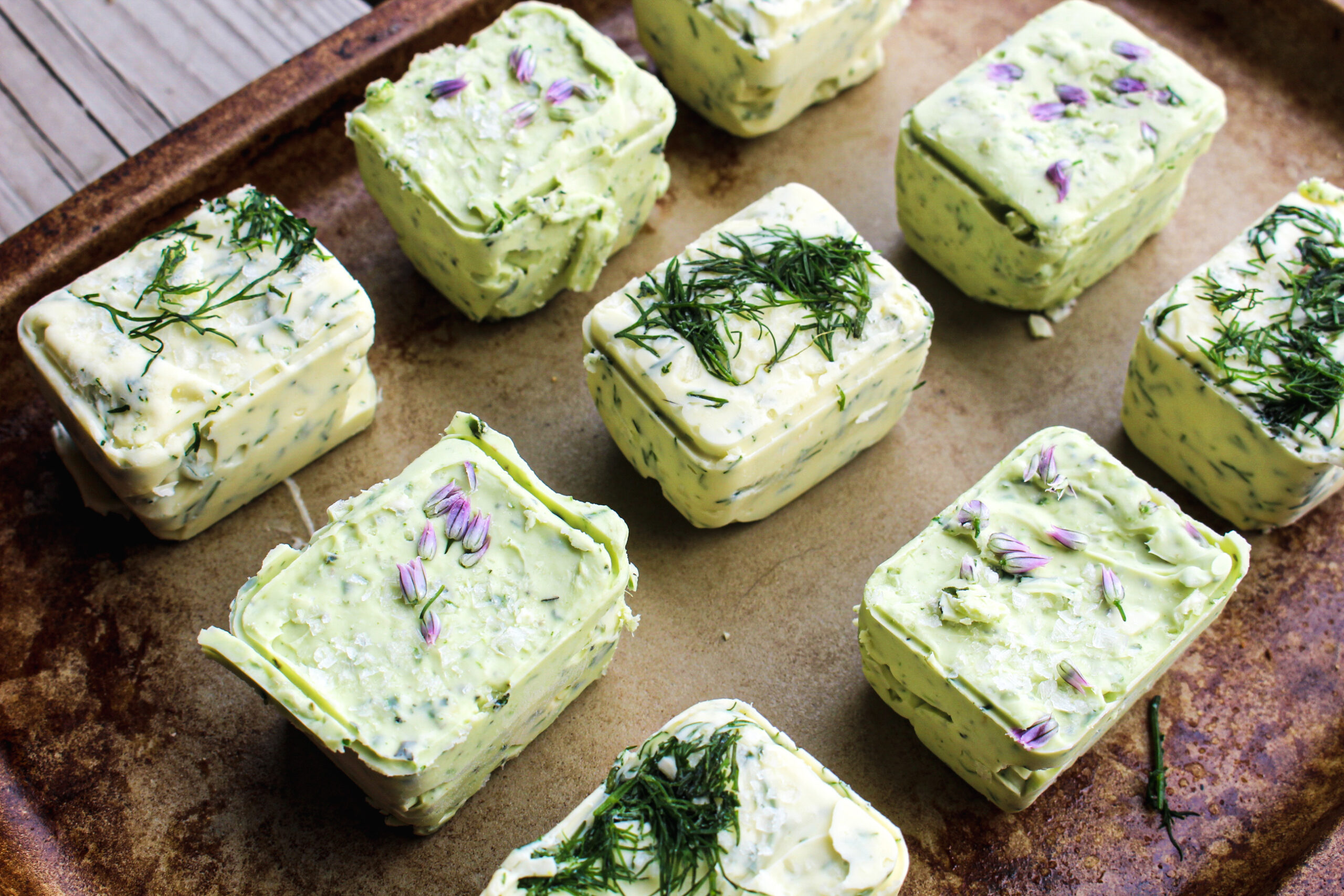
There's something truly magical about transforming simple, fresh ingredients into something extraordinary. Few culinary creations embody this better than homemade herb butter. Imagine spreading a rich, aromatic butter, bursting with the vibrant taste of garden-fresh herbs, onto warm, crusty bread. Or melting it over a perfectly seared steak, infusing every bite with unparalleled flavor. This isn't just butter; it's a culinary secret weapon, a testament to the joy of working with nature's bounty.
For those who love to get creative in the kitchen, making your own `diy homemade herb butter compound butter` is a deeply satisfying endeavor. It's a fantastic way to preserve the fleeting flavors of spring and summer herbs, allowing you to enjoy their essence long into the colder months. While many recipes for herb butter exist, we're about to unveil a technique that truly elevates this simple pleasure to restaurant-quality status: the olive oil infusion.
Elevating Your DIY Homemade Herb Butter with Olive Oil Infusion
What sets an exceptional `homemade herb butter` apart from a merely good one? Often, it's a nuanced detail, a technique that coaxes out the deepest, most vibrant flavors from your ingredients. In the case of `compound butter` made with fresh herbs, that detail is undoubtedly the olive oil infusion. This isn't just about adding oil to butter; it's about a strategic pre-treatment that unlocks a superior depth of flavor and a wonderfully smooth texture.
The secret lies in first gently soaking your finely chopped fresh herbs in a high-quality extra virgin olive oil before incorporating them into the softened butter. Why does this make such a difference? Fresh herbs, while aromatic, can sometimes have a slightly sharp or "green" edge. The olive oil acts as a carrier and a mellowing agent. It begins to dissolve and extract the fat-soluble flavor compounds (terpenes, esters, aldehydes) from the herbs, infusing the oil with their essence even before they meet the butter. This pre-infusion allows the herb flavors to bloom and integrate more fully, creating a more harmonious and intense profile that's both robust and beautifully rounded.
Think of it as a preliminary marinade for your herbs. The oil helps to tenderize them slightly, preventing them from feeling too coarse or chewy within the butter. It also contributes to a silkier, more spreadable consistency in the final `compound butter`, ensuring that every dollop melts perfectly and delivers a burst of flavor. This simple extra step transforms your `diy homemade herb butter` from delightful to truly unforgettable, guaranteeing a gourmet touch that will impress anyone lucky enough to taste it. For more foundational tips on achieving that premium taste, check out our guide on Homemade Herb Butter: Easy Restaurant-Quality Flavor.
The Essentials: Ingredients for Your Flavorful Compound Butter
One of the beauties of making `diy homemade herb butter compound butter` is its simplicity. You don't need a pantry full of exotic ingredients to create something truly spectacular. The magic primarily resides in the quality and freshness of a few key components. Here's what you'll need to gather:
The Core Trio:
- Salted Butter: Opt for a high-quality, full-fat dairy butter. European-style butters with a higher fat content often yield a richer, creamier `compound butter`. While unsalted butter can be used, salted provides a convenient flavor base; just be mindful of any additional salt you might add. Steer clear of margarine or low-fat spreads, as they typically contain more water and less fat, which can result in a grainy texture and prevent the butter from holding its shape effectively, especially when chilled or frozen.
- Extra Virgin Olive Oil: This is where the magic happens! A good quality extra virgin olive oil is crucial here. Its fruity, sometimes peppery notes will complement and enhance the herbs beautifully. You don't need the most expensive bottle on the shelf, but choose one with a flavor profile you enjoy on its own, as it will contribute significantly to the final taste of your `homemade herb butter`.
- Fresh Herbs: The stars of the show! This is where you can truly let your garden or local market inspire you. The fresher the better, as their essential oils are at their peak. From robust rosemary and thyme to delicate chives and basil, the options are endless. Don't be afraid to mix and match to create unique flavor profiles.
Optional Enhancements for Endless Creativity:
While the core trio makes a phenomenal herb butter, these optional additions allow you to customize your `diy homemade herb butter compound butter` to suit any dish or palate:
- Citrus Zest or Juice: Lemon zest or a squeeze of lemon juice can brighten flavors, especially with herbs like dill, basil, or thyme.
- Garlic: Minced fresh garlic, roasted garlic, or even garlic powder adds a pungent depth that pairs well with most savory herbs.
- Spices: Red pepper chili flakes for a touch of heat, smoked paprika for smokiness, or a pinch of black pepper for a subtle kick.
- Onions: Finely minced raw chives, sautéed shallots, or caramelized onions can add layers of savory sweetness.
- Sweet Touches: A drizzle of honey (hot or regular) can beautifully balance savory herbs, particularly with thyme or rosemary, creating a unique sweet-savory profile.
- Umami Boosters: Sun-dried tomatoes or a touch of tomato paste can add a rich, savory depth that's excellent with oregano or basil.
- Texture & Visual Appeal: Flaky sea salt for a delightful crunch, finely chopped nuts for unexpected texture, or edible flowers for a gorgeous presentation.
The beauty of `compound butter` lies in its adaptability. By experimenting with these additions, you can craft a truly personalized `diy homemade herb butter` that's perfect for any culinary occasion.
Crafting Your Signature Herb Butter: Combinations and Technique
The journey to crafting your perfect `diy homemade herb butter compound butter` is a delightful exploration of flavors and textures. The technique is straightforward, but the choice of herbs and additional ingredients opens up a world of possibilities for personalization.
Inspiring Herb Combinations:
Choosing your herbs is half the fun! Don't be shy about experimenting. Here are some proven and inventive pairings to spark your creativity, building on the foundation of the olive oil infusion:
- Classic Garden Fresh: A harmonious blend of finely chopped parsley, chives, and dill offers a universally pleasing fresh taste. A dash of flaky sea salt enhances its vibrant notes.
- Mediterranean Sunshine: Combine aromatic basil with grated garlic, a generous amount of lemon zest, and a pinch of black pepper. The olive oil infusion here is key to melding these intense flavors.
- Rustic Italian: Oregano, garlic, and a hint of red pepper chili flakes create a robust flavor profile, perfect for pasta or grilled meats. Consider adding finely chopped sun-dried tomatoes for an extra layer of umami.
- Sweet & Savory Thyme: Earthy thyme pairs beautifully with lemon zest and a touch of honey, creating a versatile butter that can complement both savory dishes and sweet breads.
- Bright & Zesty Dill: Dill and lemon zest are a match made in heaven, fantastic for seafood or roasted vegetables.
- Unconventional & Delightful: Lemon balm and delicately sautéed shallots offer a surprisingly sophisticated, mellow, and slightly sweet `compound butter` that's wonderful with poultry or light fish.
When selecting your herbs, consider their intensity. Stronger herbs like rosemary or sage might be used more sparingly, while milder ones like chives or parsley can be added in larger quantities. Taste as you go!
The Infusion Process: Step-by-Step Excellence
- Soften Your Butter: Leave your salted butter at room temperature until it's pliable and easily mashable. This is crucial for a smooth, homogenous `compound butter`.
- Prepare Your Herbs: Finely chop your chosen fresh herbs. The finer they are, the more evenly they'll distribute and infuse their flavor.
- The Olive Oil Infusion: In a small bowl, combine your finely chopped herbs with the high-quality extra virgin olive oil. Stir well and let it sit for at least 15-30 minutes. This allows the oil to extract and deepen the herbal flavors, leading to that superior taste and texture.
- Combine & Whisk: In a medium bowl, place your softened butter. Add the olive oil-infused herbs, along with any optional ingredients (lemon zest, garlic, spices, etc.). Using a whisk, fork, or even a stand mixer with a paddle attachment, cream the butter and ingredients together until thoroughly combined and smooth. Ensure everything is evenly distributed.
- Taste & Adjust: This is a crucial step! Taste a small amount of your `homemade herb butter`. Does it need more salt? More lemon? A touch more garlic? Adjust seasonings to your preference.
- Shape & Chill: Spoon the `compound butter` onto a sheet of parchment paper or plastic wrap. Roll it into a log shape, twisting the ends to seal. You can also press it into small molds or containers. Chill in the refrigerator for at least an hour, or until firm.
The only essential tool you truly need is a whisk or a sturdy fork for mixing. A spatula for shaping is also helpful. The process is wonderfully simple, making `diy homemade herb butter compound butter` an accessible culinary delight for everyone. To get more ideas on preserving your garden's bounty through this method, read our article Preserve Your Garden Herbs: Make Flavorful Compound Butter.
Beyond the Batch: Storing and Savoring Your Culinary Creation
One of the greatest benefits of making a generous batch of `diy homemade herb butter compound butter` is its incredible versatility and shelf life. This isn't just a treat for the immediate future; it's an investment in future flavor.
Smart Storage Solutions:
- Refrigeration: Once shaped into a log or pressed into a container, your `homemade herb butter` will last beautifully in the refrigerator for up to 1-2 weeks. Ensure it's tightly wrapped to prevent it from absorbing other odors.
- Freezing for Longevity: This is where `compound butter` truly shines as a preservation method. Wrap your butter logs tightly in plastic wrap, then place them in a freezer-safe bag or container. It will keep its vibrant flavor and freshness for up to 3-6 months. When you're ready to use it, simply slice off a medallion from the frozen log – no need to thaw the whole thing! This is a fantastic way to capture the essence of your summer garden herbs to enjoy all winter long, long after the last outdoor harvest.
Creative Ways to Savor Your Herb Butter:
Now for the fun part: enjoying your magnificent `diy homemade herb butter compound butter`! Its uses are limited only by your imagination:
- Elevate Everyday Meals:
- Bread & Baked Goods: The most classic use! Spread it on warm sourdough, crusty baguettes, dinner rolls, or even homemade biscuits.
- Vegetables: Toss steamed or roasted vegetables (asparagus, green beans, corn on the cob, potatoes) with a dollop of melting herb butter.
- Eggs: Swirl a knob into scrambled eggs, omelets, or fried eggs for an instant flavor upgrade.
- Gourmet Touches for Main Courses:
- Steaks & Meats: Place a medallion on top of a hot, freshly grilled or pan-seared steak, chicken breast, or pork chop. As it melts, it bastes the meat with incredible flavor.
- Seafood: Perfect for baked fish, grilled shrimp, or scallops. Lemon-dill or basil-garlic butter are particularly delightful.
- Pasta: Toss hot pasta with a generous amount of herb butter and a sprinkle of Parmesan cheese for a quick, luxurious meal.
- Finishing Sauces: Whisk a pat into pan sauces, gravies, or risottos for an extra layer of richness and herbal aroma.
- Unexpected Delights:
- Popcorn: Melt and drizzle over freshly popped popcorn for a savory, gourmet snack.
- Sandwiches & Wraps: Spread a thin layer on bread or tortillas before adding other fillings for an extra punch of flavor.
With a freezer full of `homemade herb butter`, you're always just a slice away from transforming an ordinary dish into something truly special. It's a testament to how a little preparation can lead to an abundance of flavor and convenience.
The journey from fresh garden herbs to an exquisite `diy homemade herb butter compound butter` is a rewarding one, especially when you incorporate the game-changing olive oil infusion technique. This simple yet profound step unlocks deeper flavors and a superior texture, elevating your culinary creations to new heights. Whether you're preserving the bounty of your garden, looking to impress guests, or simply wanting to add a gourmet touch to everyday meals, this method for creating `homemade herb butter` is a skill worth mastering. So, gather your freshest herbs, your finest olive oil, and get ready to unlock a world of unparalleled flavor that will delight your palate all year long.
