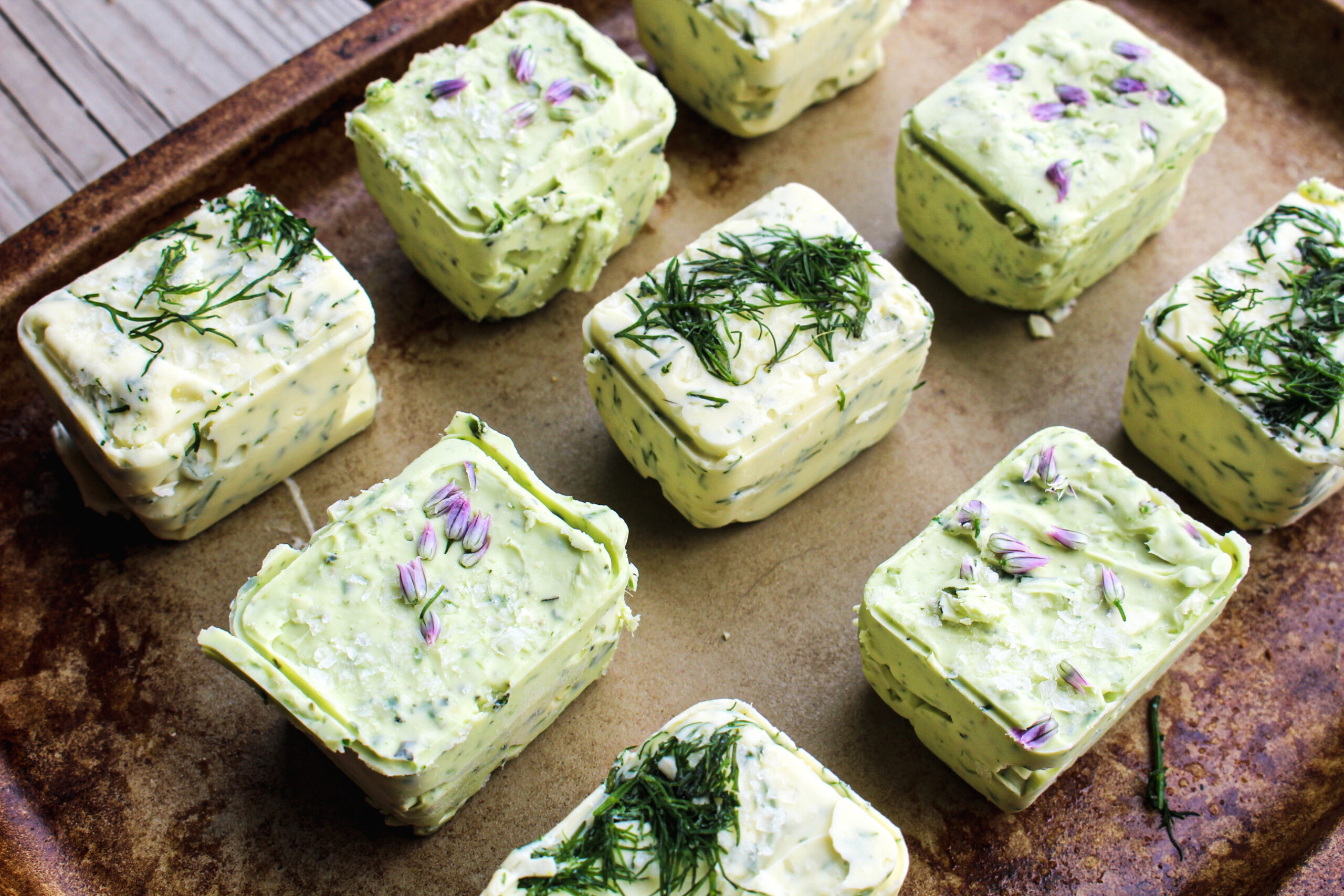
Homemade Herb Butter: Your Secret to Easy Restaurant-Quality Flavor at Home
Imagine elevating a simple slice of sourdough bread, a perfectly grilled steak, or a plate of roasted vegetables from delicious to absolutely divine with just one ingredient. That's the magic of
diy homemade herb butter compound butter. Often found gracing the tables of upscale restaurants, this flavorful concoction is surprisingly easy to make in your own kitchen. It transforms everyday dishes with its rich, aromatic essence, bringing a gourmet touch that tastes like you spent hours in the kitchen, when in reality, it only takes minutes. If you're looking to infuse your cooking with vibrant, fresh flavors and truly impress your taste buds (and your guests!), mastering this simple technique is a game-changer.
What Exactly is Compound Butter (and Why You Need It)?
For many, the term "herb butter" is straightforward: butter mixed with herbs. Simple enough! However, you might also hear it referred to by its more formal name: "compound butter." This is a French culinary term, known as "beurre composé," which simply means butter combined with other ingredients – in our case, an irresistible blend of fresh herbs and optional flavor enhancers. While the name might sound fancy, the concept remains wonderfully simple: taking plain, unsalted or salted butter and whipping it into a flavor-packed spread that can be sweet or savory.
The beauty of
diy homemade herb butter compound butter lies in its versatility and power to concentrate flavor. Unlike simply sprinkling herbs over a dish, infusing them directly into butter allows the fat to absorb and carry those delicate aromas and tastes more profoundly. This creates a cohesive, rich flavor profile that melts beautifully into hot food, basting it with herby goodness. It's an incredible way to take humble ingredients and give them an instant upgrade, making every bite feel like a special occasion. Plus, it's a fantastic solution for preserving the bounty of your garden, allowing you to capture the essence of summer herbs to enjoy all year long.
The Secret to Unforgettable Herb Butter: The Olive Oil Infusion
What truly sets an exceptional
homemade herb butter apart from a good one? It's often a small, yet impactful technique that unlocks deeper flavors. For this particular compound butter recipe, the secret lies in first soaking the fresh herbs in a touch of high-quality olive oil. This isn't just an extra step; it's a crucial stage that dramatically intensifies the flavor.
Here's why this olive oil infusion makes such a difference:
*
Flavor Extraction: Olive oil is an excellent solvent for fat-soluble flavor compounds found in herbs. Soaking them allows the oil to draw out and concentrate these aromatic essences before they even hit the butter.
*
Even Distribution: Pre-infusing the herbs in oil helps them disperse more evenly throughout the butter, preventing clumping and ensuring every spoonful is bursting with flavor.
*
Enhanced Aroma: The gentle warmth of the oil (or even just the contact time) helps to "bloom" the herbs, releasing their full aromatic potential, which then transfers beautifully to the butter.
*
Preventing Oxidation: Coating the delicate herb leaves in oil can also help to protect them slightly from oxidation once mixed into the butter, maintaining their vibrant color and fresh taste for longer.
This simple technique elevates the taste experience, making your
diy homemade herb butter compound butter resonate with a vibrancy you might not achieve otherwise. It’s a trick that professional chefs often employ to maximize flavor, and now you can easily incorporate it into your home cooking. To dive deeper into this technique and master the art of coaxing maximum flavor from your herbs, you might find this article particularly helpful:
Unlock Flavor: The Olive Oil Infusion for Herb Butter.
Crafting Your Perfect DIY Homemade Herb Butter: Ingredients & Tools
The beauty of creating your own
diy homemade herb butter compound butter lies in its simplicity. You don't need a pantry full of exotic ingredients or specialized equipment. With just a few core components and basic kitchen tools, you're well on your way to culinary magic.
Essential Ingredients for Your DIY Homemade Herb Butter
*
Salted Butter: Quality truly matters here. Opt for a good European-style butter if possible, known for its higher fat content and rich flavor. Ensure it's softened to room temperature, which is crucial for smooth, even mixing. We recommend staying away from margarine, as its different fat structure typically won't hold its shape or provide the same luxurious mouthfeel.
*
Extra Virgin Olive Oil: As discussed, this is a key player in flavor extraction. Choose a high-quality extra virgin olive oil whose flavor you enjoy, as it will contribute to the final taste profile.
*
Fresh Herbs: This is where the fun begins! The fresher, the better. If you have a garden, this is an excellent way to utilize your seasonal harvest. There's no right or wrong answer here – follow your instincts and your palate. Some popular choices include chives, basil, dill, parsley, thyme, rosemary, oregano, and lemon balm.
Optional Flavor Enhancers for Custom Compound Butter
While the core three ingredients will yield a fantastic herb butter, don't hesitate to experiment with additions to create truly unique flavors. These "optional" ingredients are where you can truly personalize your
diy homemade herb butter compound butter:
*
Citrus Zest or Juice: Lemon, lime, or orange zest can add a bright, zesty lift.
*
Grated Garlic or Sautéed Onions: For a savory, aromatic kick. Ensure onions are finely minced and sautéed until soft to avoid a raw texture.
*
Spices & Heat: Red pepper chili flakes or finely chopped fresh hot peppers can introduce a pleasant warmth.
*
Sweetness: A touch of honey (regular or hot) can balance savory herbs, especially with thyme or rosemary.
*
Texture & Nutty Notes: Finely chopped nuts like pistachios or walnuts can add an interesting crunch.
*
Aromatic Touches: Freshly cracked black pepper, a pinch of smoked paprika, or a sprinkle of flaky sea salt (if using unsalted butter) can round out the flavors.
*
Aesthetic Appeal: Edible flowers can add a beautiful visual touch.
Basic Tools You'll Need
You don't need fancy gadgets, just a few kitchen essentials:
*
A Medium Mixing Bowl: For combining ingredients.
*
A Whisk or Sturdy Spoon/Spatula: To ensure the butter and herbs are thoroughly integrated.
*
Cling Film or Parchment Paper: For shaping and wrapping your finished butter into logs.
Beyond the Basics: Inspiring Herb Combinations for Your Compound Butter
One of the most exciting aspects of making
diy homemade herb butter compound butter is the endless possibilities for customization. Your garden, local market, or even your spice rack can inspire incredible flavor pairings. Don't be afraid to mix and match, allowing your creativity to shine!
Here are some tried-and-true combinations, along with a few ideas to spark your imagination:
*
Classic Chives & Flaky Sea Salt: Simple, elegant, and incredibly versatile. Perfect for baked potatoes, eggs, or crusty bread.
*
Mediterranean Magic: Basil, Lemon & Garlic: A bright, aromatic blend that's ideal for grilled chicken, fish, or tossing with pasta. The lemon zest adds a wonderful tang that cuts through the richness of the butter.
*
Garden Freshness: Lemon Balm & Sautéed Onions: An unexpected but delightful pairing. Lemon balm offers a subtle citrusy mint note that beautifully complements the sweetness of sautéed onions. Great for vegetables or lighter proteins.
*
Spicy & Savory: Oregano, Garlic & Red Pepper Chilli Flakes: This robust combination is fantastic for grilling steaks, infusing olive oil for bread dipping, or melting over roasted potatoes.
*
Sweet & Herby: Thyme, Lemon & Honey: A surprisingly delicious blend that's wonderful on warm scones, roasted root vegetables, or even a pan-seared pork chop. The honey provides a lovely counterpoint to the earthy thyme.
*
Dill & Lemon Zest: A quintessential pairing for seafood, especially salmon, or stirred into cream cheese for a flavorful bagel spread.
*
Italian-Inspired: Tomato Paste, Oregano & Sun-Dried Tomatoes: This rich, umami-packed butter is superb on crusty bread, stirred into risottos, or as a topping for grilled vegetables.
*
Forest Floor Earthiness: Rosemary & Roasted Garlic: Roasting the garlic mellows its bite, creating a sweet, pungent flavor that pairs beautifully with fragrant rosemary. Ideal for lamb, potatoes, or focaccia.
*
Autumnal Bliss: Sage & Brown Butter: While not technically "fresh" sage, browning a portion of your butter before mixing in fresh sage (and perhaps a pinch of nutmeg) creates a nutty, deeply aromatic compound butter perfect for pasta dishes with squash or spreading on cornbread.
*
Spicy Southwest: Cilantro, Lime Zest & Chipotle Powder: A vibrant and smoky butter that's fantastic for grilled corn, fajitas, or spreading on corn tortillas before toasting.
When choosing your herbs, think about how their flavors will interact. Delicate herbs like chives and dill are best used fresh, while hardier herbs like rosemary and thyme can withstand more heat and stronger pairings. The key is to taste as you go and adjust to your preference!
Making and Storing Your DIY Homemade Herb Butter for Year-Round Enjoyment
Once you've chosen your ingredients, the process of making your
diy homemade herb butter compound butter is remarkably straightforward. It's also an excellent method for preserving your garden's bounty, allowing you to enjoy summer flavors even in the depths of winter.
Here’s a simple guide to making and storing your herb butter:
1.
Soften the Butter: Ensure your salted butter is truly at room temperature. This is essential for achieving a smooth, homogenous mixture. If it's too cold, it will be lumpy; if it's melted, it won't hold its shape.
2.
Prepare the Herbs: Wash and thoroughly dry your fresh herbs. Finely chop them.
3.
Infuse with Olive Oil: In a small bowl, combine your finely chopped herbs with a tablespoon or two of extra virgin olive oil. Let this sit for at least 10-15 minutes, or even longer if time allows, to allow the flavors to meld and deepen.
4.
Combine Ingredients: In your mixing bowl, add the softened butter. Pour in the olive oil-infused herbs. Add any optional ingredients like grated garlic, lemon zest, or chili flakes at this stage.
5.
Mix Thoroughly: Using a whisk or a sturdy spatula, cream the butter until it's light and fluffy, then mix in the herb mixture until everything is thoroughly combined and evenly distributed. You want to see flecks of green (or whatever color your herbs are) throughout the butter.
6.
Shape Your Butter: Spoon the mixture onto a piece of cling film or parchment paper. Using the paper as a guide, roll the butter into a log shape, about 1-1.5 inches in diameter. Twist the ends tightly to seal, creating a neat cylinder. You can also press it into small molds or even ice cube trays for individual portions.
7.
Chill to Set: Place the shaped butter in the refrigerator for at least 2-3 hours, or until it's firm. This allows the flavors to further meld and makes it easy to slice.
Storage Tips:
*
Refrigerator: Freshly made herb butter will last in the refrigerator for up to 1-2 weeks, tightly wrapped.
*
Freezer: For long-term storage, freezing is your best friend. Wrap the butter logs tightly in cling film, then place them in a freezer-safe bag or container. It can last for several months, typically up to 6 months, without significant loss of flavor or quality. When ready to use, simply slice off a medallion from the frozen log or thaw a portion in the fridge.
Making a large batch of
diy homemade herb butter compound butter and freezing it is a brilliant way to capture the essence of your summer garden. It’s such a delightful treat when the weather turns cold, and fresh herbs are scarce. For more detailed tips on preserving your garden herbs through compound butter, check out:
Preserve Your Garden Herbs: Make Flavorful Compound Butter.
Serving Suggestions: Elevate Every Meal
Once you've made your delicious
diy homemade herb butter compound butter, the fun truly begins in discovering all the ways it can enhance your meals. Its versatility is incredible, turning ordinary dishes into extraordinary culinary experiences.
Here are just a few ideas to get you started:
*
On Bread: The quintessential pairing! Spread a generous dollop on warm sourdough, a freshly baked baguette, crusty artisan bread, or even toast.
*
Grilled & Roasted Meats: Place a pat of herb butter on a freshly grilled steak, chicken breast, or roasted pork tenderloin just as it comes off the heat. As it melts, it will baste the meat with incredible flavor and richness.
*
Seafood: Particularly good with fish. Melt dill and lemon herb butter over baked salmon or pan-seared scallops.
*
Roasted or Steamed Vegetables: Toss warm roasted potatoes, green beans, corn on the cob, or asparagus with a generous amount of melting herb butter for an instant flavor boost.
*
Pasta & Risotto: Stir a tablespoon of compound butter into plain pasta or risotto at the end of cooking for a burst of flavor and creamy texture.
*
Eggs: Whisk it into scrambled eggs, melt it over fried eggs, or use it to grease your pan for an herby omelet.
*
Popcorn: A surprising but delicious treat! Melt a small amount and drizzle it over freshly popped popcorn for a gourmet snack.
*
Compound Sandwiches: Elevate a simple grilled cheese or deli sandwich by spreading herb butter on the bread before toasting.
*
Flavorful Finishing Touch: Add a pat to a simmering soup or stew just before serving, or melt it over baked potatoes or sweet potatoes.
The possibilities are truly endless. Think of your
homemade herb butter as a flavor enhancer, ready to be deployed whenever you need a touch of gourmet goodness.
Conclusion
Making
diy homemade herb butter compound butter is one of the simplest yet most impactful ways to elevate your home cooking. It's a testament to how a few fresh ingredients and a little bit of creativity can unlock a world of restaurant-quality flavor. From preserving your garden's bounty to transforming everyday meals into culinary delights, this versatile spread offers endless possibilities. So, grab your favorite herbs, a good block of butter, and a splash of olive oil, and get ready to infuse your kitchen with incredible aromas and tastes. You'll wonder how you ever cooked without it!