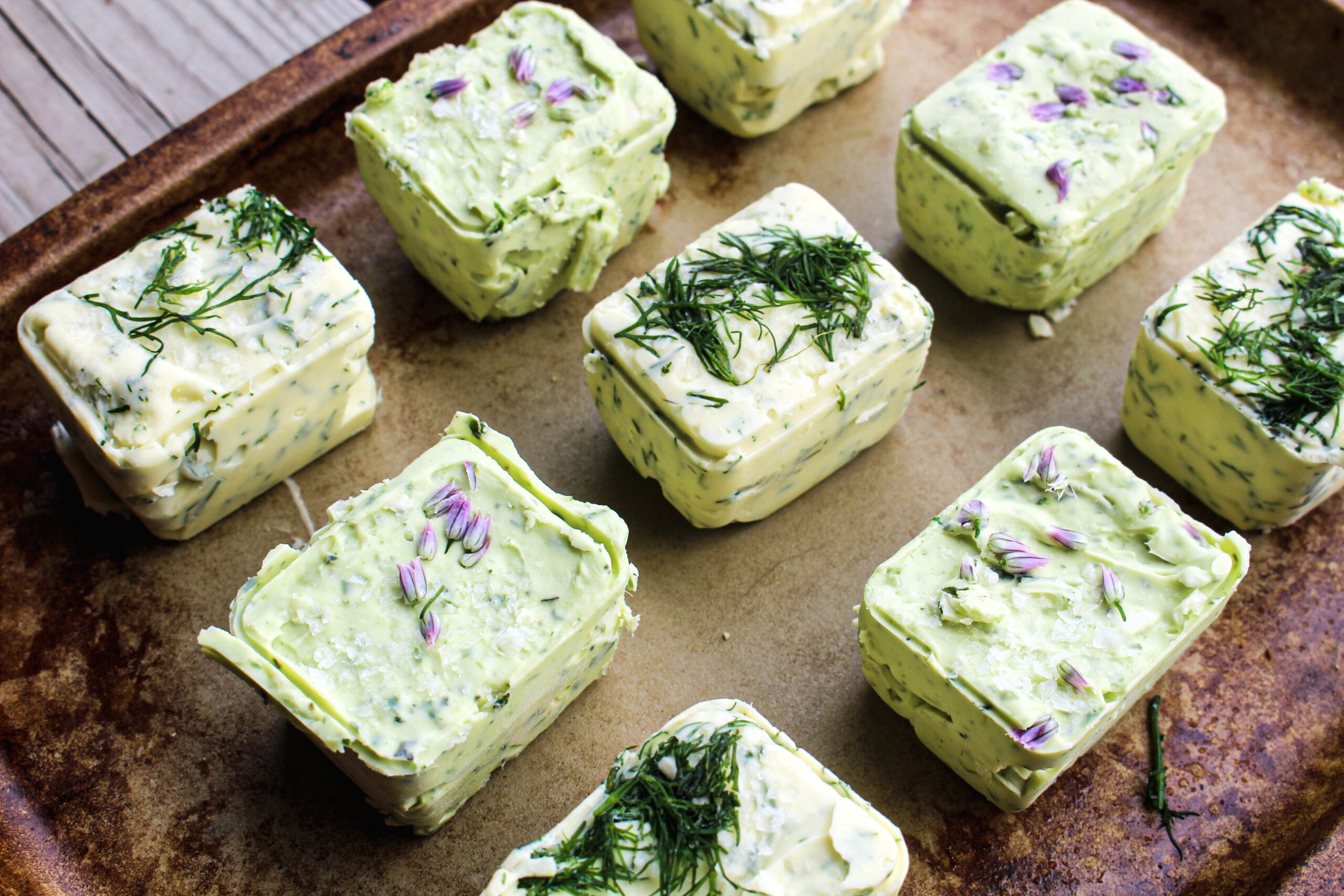
Preserve Your Garden Herbs: Make Flavorful Compound Butter
As the vibrant energy of spring and summer blesses our gardens, an abundance of fresh herbs emerges, offering their aromatic gifts. While we revel in their immediate use, the thought of preserving that peak freshness for colder months often crosses a gardener's mind. Drying and freezing are classic methods, but there's a truly transformative and deeply delicious way to capture and extend the essence of your garden's bounty: making homemade herb butter, also known as compound butter. This simple, elegant technique allows you to create incredibly flavorful spreads that elevate everyday dishes to gourmet status, ensuring you can enjoy that "just picked" taste all year long.
Imagine spreading rich, herby butter on warm sourdough bread, melting it over grilled steak, or whisking it into a pan sauce. This isn't just butter; it's a concentrated burst of flavor, a culinary secret weapon that once mastered, you'll wonder how you ever lived without. The beauty of diy homemade herb butter compound butter lies in its versatility and ease, turning your garden's ephemeral gifts into enduring culinary treasures.
Understanding Compound Butter: A Simple Pleasure
If you've heard the term "compound butter" and felt a touch of culinary confusion, you're not alone. Many home cooks, myself included, simply refer to this delightful creation as "herb butter." So, what exactly is it? At its heart, compound butter is remarkably straightforward: it's butter that has been softened and then thoroughly mixed, or "compounded," with other ingredients. These additions can range from fresh herbs and spices to citrus zest, garlic, honey, or even finely chopped nuts.
The term "compound" itself is French, where it's known as beurre composé. Regardless of the fancy name, the concept is the same: taking plain butter and infusing it with additional flavors to create something truly extraordinary. Whether you call it homemade herb butter or compound butter, the result is always a decadent, flavorful spread that can transform a multitude of dishes with minimal effort.
Why DIY Homemade Herb Butter is a Game Changer
Beyond its deliciousness, making your own diy homemade herb butter offers a myriad of benefits for the home cook and gardener:
- Preserve Peak Freshness: This is arguably one of the most compelling reasons. By incorporating fresh herbs into butter, you lock in their vibrant flavors and aromas, allowing you to enjoy them long after the growing season ends. It's a fantastic way to utilize an abundant harvest and prevent waste.
- Elevate Everyday Meals: A dollop of flavorful compound butter can instantly upgrade simple meals. Spread it on toast, melt it over steamed vegetables, finish a steak, or stir it into pasta. The possibilities are endless, and the "restaurant quality" results are undeniable.
- Customization Galore: The creative freedom is immense! You can tailor your herb butter recipes to your specific taste preferences, the herbs you have on hand, or the dish you plan to use it for. Experimentation is highly encouraged!
- Cost-Effective and Natural: Using your own garden herbs saves money compared to buying small, often expensive, specialty butters. Plus, you control the ingredients, ensuring no unwanted additives or preservatives.
- Thoughtful Gifts: Beautifully wrapped logs of homemade compound butter make wonderful, personalized gifts for friends and family, especially during the holidays when fresh herbs are scarce.
The Secret to Superior Flavor: The Olive Oil Infusion
While many homemade herb butter recipes exist, one technique truly sets a superior compound butter apart: first infusing your fresh herbs in olive oil. This isn't just an extra step; it's a flavor multiplier. When herbs are finely chopped and gently mixed with a good quality extra virgin olive oil before being combined with butter, several magical things happen:
- Deeper Flavor Extraction: Olive oil acts as an excellent solvent for many of the fat-soluble flavor compounds and essential oils found in herbs. This pre-infusion step allows these aromatic compounds to leach out and meld with the oil, intensifying their presence.
- Enhanced Texture: The olive oil helps distribute the herbs more evenly throughout the butter, preventing clumping and ensuring a consistent flavor in every bite. It also contributes to a wonderfully smooth, spreadable texture.
- Extended Freshness: The oil coating can help protect the delicate herbs from excessive oxidation, which can sometimes mute their flavor or cause discoloration when mixed directly into butter alone.
This simple yet powerful technique ensures that your diy homemade herb butter delivers an incredibly rich, nuanced, and truly memorable taste experience. To delve deeper into this crucial step and perfect your infusion, explore our article: Unlock Flavor: The Olive Oil Infusion for Herb Butter.
Crafting Your Flavor Masterpiece: Ingredients and Tools
One of the beauties of making compound butter is how few core ingredients you need to get started. Simplicity reigns, allowing the natural flavors of your garden herbs to shine.
Essential Ingredients:
- Salted Butter: For this recipe, good quality salted butter is highly recommended. The salt not only enhances the flavor of the herbs but also acts as a natural preservative. While you could use unsalted butter and add salt separately, salted butter ensures a foundational seasoning. Avoid margarine or butter substitutes, as their different fat content and composition may not hold shape as well or provide the same rich mouthfeel. Let your butter soften to room temperature for easier mixing – this is crucial for a smooth, homogenous blend.
- Extra Virgin Olive Oil: As discussed, this is the secret weapon! Choose a high-quality extra virgin olive oil that you enjoy the taste of. Its fruity, sometimes peppery notes will complement your herbs beautifully.
- Fresh Herbs: The star of the show! The possibilities are endless, limited only by your garden's bounty and your imagination. Harvest your herbs when they are at their peak for the most vibrant flavor.
Optional Flavor Enhancers:
While the essentials will yield a fantastic herb butter, these optional additions can take your creations to the next level:
- Lemon Zest or Juice: Adds a bright, zesty counterpoint that can lift and enhance herb flavors, particularly with basil, dill, or thyme.
- Grated Garlic or Sautéed Onion: Provides an aromatic depth. For raw garlic, use a microplane for a very fine texture. Sautéing onions or garlic softens their pungency and brings out a sweeter note.
- Flaky Sea Salt: A finishing touch that adds texture and bursts of briny flavor.
- Red Pepper Chili Flakes or Fresh Chopped Hot Peppers: For those who love a bit of heat and a gentle kick.
- Honey (Hot or Regular): A surprising addition that works beautifully with savory herbs like thyme, offering a touch of sweetness and stickiness perfect for glazes or toast.
- Finely Chopped Nuts: Think toasted walnuts with sage, or pecans with rosemary for added texture and earthy notes.
- Edible Flowers: For a visual flourish, scattering in some finely chopped chive blossoms or calendula petals can make your compound butter truly stunning.
- Fresh Cracked Black Pepper: A classic enhancer for almost any savory herb blend.
Essential Tools:
You don't need a professional kitchen setup for this diy homemade herb butter. A few basic items will suffice:
- Mixing Bowl: For combining your ingredients.
- Whisk or Rubber Spatula: To ensure everything is well-incorporated. A stand mixer with a paddle attachment can also make quick work of it, especially for larger batches.
- Parchment Paper or Cling Film: For shaping and wrapping your butter for storage.
Inspiring Herb Combinations for Your Compound Butter
The beauty of making compound butter is the freedom to experiment. Here are some fantastic combinations, along with ideas for how to use them, to spark your creativity:
- Chives and Flaky Sea Salt: A classic, simple yet elegant blend. Perfect melted over baked potatoes, scrambled eggs, or grilled fish.
- Basil, Lemon, and Garlic: Transport yourself to the Mediterranean! Ideal for spreading on bruschetta, tossing with warm pasta, or finishing grilled chicken or white fish.
- Lemon Balm and Sautéed Onions: A surprisingly delightful combination. The bright, minty lemon balm pairs beautifully with the sweet depth of caramelized onions. Try it on roasted vegetables or as a spread for sandwiches.
- Oregano, Garlic, and Red Pepper Chili Flakes: A robust, savory, and slightly spicy butter. Excellent for rubbing onto lamb chops before grilling, stirring into tomato sauce, or spreading on garlic bread.
- Thyme, Lemon, and Honey: A wonderfully aromatic and subtly sweet blend. Fantastic for glazing roasted carrots, melting over warm scones, or brushing onto grilled chicken or pork.
- Dill and Lemon: A bright and fresh pairing, particularly good with seafood. Serve with poached salmon, pan-seared scallops, or dollop onto cream cheese for a bagel spread.
- Tomato Paste, Oregano, and Sun-Dried Tomatoes: A rich, umami-packed butter. Ideal for stirring into risottos, spreading on pizza dough before baking, or slathering onto crusty bread.
Making and Storing Your Homemade Herb Butter
Once you've gathered your ingredients and chosen your desired herb combination, the process of making compound butter is incredibly simple:
- Prepare Herbs: Finely chop your fresh herbs.
- Infuse in Olive Oil: In a small bowl, combine the chopped herbs with your extra virgin olive oil. Let it sit for 5-10 minutes to allow the flavors to meld.
- Soften Butter: Ensure your salted butter is at room temperature and very soft, but not melted.
- Combine: In a mixing bowl, add the softened butter, then pour in the herb-infused olive oil mixture. Add any additional optional ingredients (lemon zest, garlic, etc.).
- Mix Thoroughly: Using a whisk or spatula (or a stand mixer), thoroughly combine all ingredients until the herbs and flavors are evenly distributed and the butter is homogenous.
- Shape and Chill: Spoon the butter mixture onto a piece of parchment paper or cling film. Shape it into a log, roll it tightly, and twist the ends like a candy wrapper. Alternatively, you can press it into small molds or containers.
- Chill or Freeze: Refrigerate the butter log for at least an hour until firm. For long-term storage, transfer the firm log to an airtight freezer bag or container and freeze. This homemade herb butter can be stored in the freezer for several months, offering you a taste of your garden all winter long. Simply slice off what you need, and return the rest to the freezer.
Ways to Enjoy Your Flavorful Compound Butter
The true magic of diy homemade herb butter comes to life in the kitchen. Here are just a few ideas to inspire you:
- Bread and Spreads: The most obvious, yet satisfying. Slather it on toast, warm rolls, baguettes, or garlic bread.
- Elevate Proteins: Melt a pat over grilled steaks, chicken breasts, pan-seared fish, or roasted lamb. It adds instant richness and flavor.
- Vegetable Enhancement: Toss it with steamed asparagus, roasted potatoes, corn on the cob, or green beans. It transforms simple sides into culinary delights.
- Pasta Perfection: Stir a tablespoon into freshly cooked pasta for an instant, flavorful sauce. Add a little pasta water to create a silky coating.
- Gourmet Breakfasts: Swirl into scrambled eggs, melt over a fried egg, or spread on a savory waffle.
- Soups and Sauces: Finish a bowl of homemade soup with a swirling pat of herb butter, or whisk it into pan sauces to add body and herbaceous notes.
- Compound Butter Crostini: Spread on toasted bread slices and bake until golden for a quick appetizer.
Making diy homemade herb butter compound butter is more than just a recipe; it's a creative journey that connects you deeply to your garden and empowers you to infuse everyday cooking with extraordinary flavor. It’s a testament to the idea that simple ingredients, handled with care and a touch of ingenuity, can yield truly restaurant-quality results. So, grab those vibrant herbs, soften that butter, and embark on a delicious adventure that will keep the taste of spring and summer alive in your kitchen, no matter the season.
